
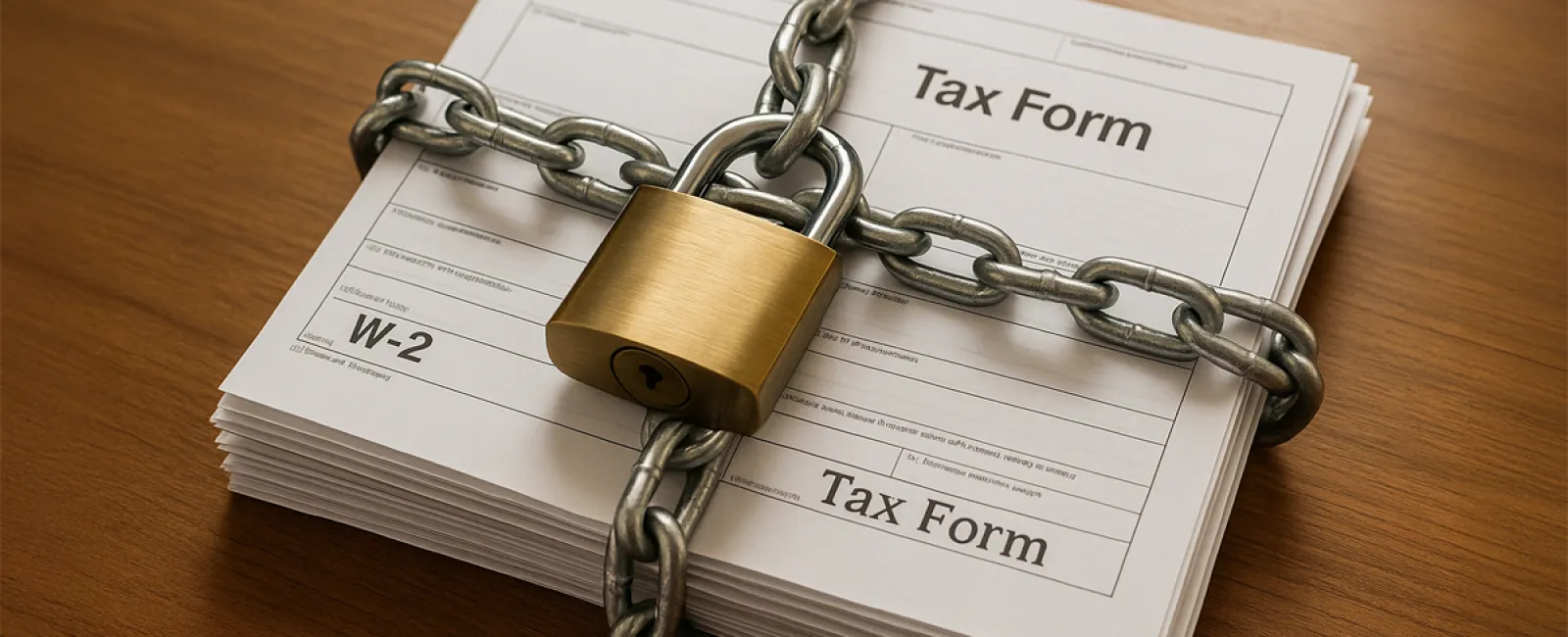
It's February and tax season is in full swing. Accountants are swamped, bookkeepers are gathering documents, and everyone's buzzing about W-2s, 1099s, and looming deadlines.
But here's a little-known fact: the first big headache of tax season isn't a tax form at all — it's a scam.
One of the most common scams hits early, often before April. It's simple, convincing, and targets small businesses. It might already be lurking in someone's inbox at your company.
Understanding the W-2 Scam: A Breakdown
Here's how it unfolds:
Usually, an employee responsible for payroll or HR receives an email that appears to come from the CEO, owner, or a high-level executive.
The message is brief and urgent:
"Hi, I need copies of all employee W-2s for a meeting with the accountant. Please send them over ASAP, I'm tied up today."
The tone feels natural. Tax season is hectic, so the urgency seems justified. The request appears perfectly reasonable.
Trusting this, your employee sends the W-2 forms.
But the email isn't from the CEO at all — it's from a cybercriminal using a forged address or a deceptive domain.
Now that attacker has full access to every employee's:
• Full legal name
• Social Security number
• Home address
• Salary details
Everything needed for identity fraud and to file fraudulent tax returns ahead of your employees.
What Happens After the Scam
Victims often uncover the scam when:
An employee files their tax return and it gets rejected with the message: "Return already filed for this Social Security number."
This means someone else has already filed in their name and claimed their refund.
Your employee is then forced to deal with the IRS, monitor credit reports, protect against identity theft, and endure months of paperwork — all due to a document they unknowingly shared.
Multiply this scenario across your entire payroll. Imagine the fallout when you have to tell your team their personal data was compromised due to a fake email.
This isn't just a security issue — it's a trust crisis, a human resources disaster, a potential legal liability, and a serious blow to your company's reputation.
Why This Scam Is So Effective
This scam doesn't scream "fraud" at first glance.
Its success comes from several factors:
The timing is perfect — W-2 requests are routine in February, so no one questions why they're happening then.
The request sounds reasonable — it's not demanding money or gifts, but something legitimately shared during tax season.
The urgency feels authentic — "I'm slammed today, can you get this over fast?" blends seamlessly into a busy workplace.
The sender appears legitimate — scammers research thoroughly, using real executive names or known contacts.
Employees naturally want to help, especially their bosses, so they're more likely to bypass verification.
Steps to Shield Your Business Before a Scam Strikes
The silver lining? This scam can be stopped with clear policies and a vigilant culture, not just cutting-edge tech.
Enforce a strict "no W-2s sent via email" policy — no exceptions. Sensitive payroll data should never leave your office as an email attachment. If requested by email, the automatic response is no, regardless of apparent sender.
Always verify sensitive requests through a different channel — a phone call, face-to-face conversation, or chat using contact info you already have, not information provided in the suspicious email. This quick check can prevent lengthy issues.
Organize a brief tax scam awareness meeting now — don't wait. Educate payroll and HR staff about rising scams, how to recognize them, and exactly how to respond.
Secure your payroll and HR systems with multi-factor authentication (MFA). If credentials are compromised, MFA is the crucial last line of defense.
Promote a culture of verification rather than suspicion. Employees who call to confirm requests from executives should be commended — fostering this mindset keeps scams at bay.
These five simple rules are easy to adopt this week and powerful enough to block the initial wave of scams.
The Broader Risk Landscape
The W-2 scam is just the beginning.
Between now and April, tax season will bring a surge of threats including:
• Fraudulent IRS notices demanding immediate payment
• Phishing emails masked as updates for tax software
• Spoofed emails impersonating your accountant with malicious links
• Fake invoices crafted to appear as tax-related expenses
Hackers target tax season because everyone is distracted, processing requests quickly, and financial demands seem normal.
Successful businesses aren't lucky — they're prepared.
They implement solid policies, conduct employee training, and deploy systems to detect suspicious activity before it turns disastrous.
Is Your Business Prepared?
If your team already has clear policies and scam awareness, congratulations — you're ahead of many small businesses.
If not, now is the critical time to act — before the first scam strikes.
If this sounds like where your company stands, schedule a 15-minute Tax Season Security Check.
During this review, we'll assess:
• Payroll and HR access controls with MFA
• Verification rules for W-2 requests
• Email security measures that detect spoofing
• One often overlooked policy adjustment that boosts safety
If you're already well-protected, excellent. But you likely know another business owner who could benefit — forward this guide to help them avoid costly headaches.
Click here or give us a call at 1-310-798-0405 to schedule your free 15-Minute Discovery Call.
Because tax season is challenging enough — don't add identity theft to the stress.


