
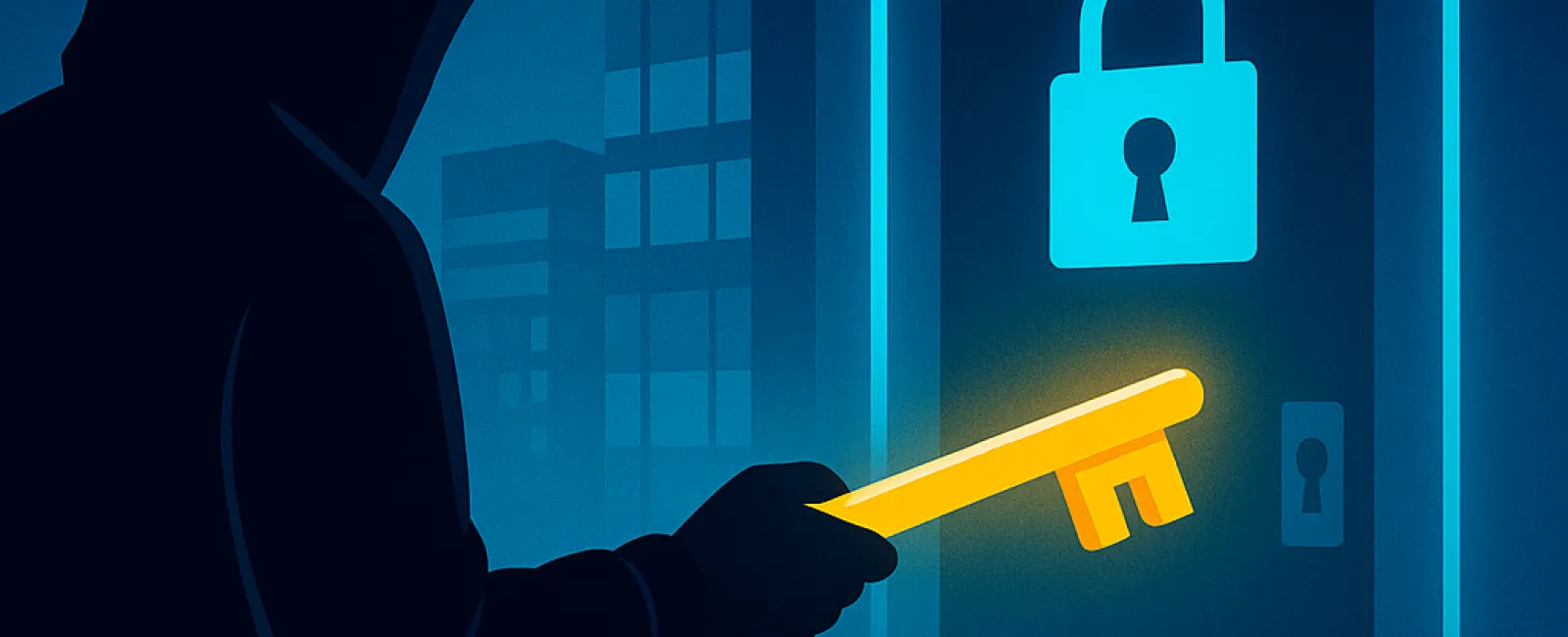
Cybercriminals are evolving their tactics against small businesses. Instead of forceful breaches, they now gain access quietly by stealing your most valuable asset: login credentials.
This method, known as identity-based attacks, has surged as the primary way hackers infiltrate systems. They capture passwords, deceive employees with sophisticated phishing emails, or bombard users with login prompts until someone unknowingly grants access. Sadly, these strategies are proving highly effective.
In fact, a leading cybersecurity firm revealed that 67% of major security breaches in 2024 stemmed from compromised login details. High-profile companies like MGM and Caesars suffered these attacks recently — a stark reminder that smaller businesses are equally at risk.
How Do Hackers Gain Entry?
Most breaches begin with something as simple as a stolen password. However, hackers have refined their techniques:
· Deceptive emails and counterfeit login pages lure employees into revealing sensitive information.
· SIM swapping allows attackers to intercept text messages containing two-factor authentication (2FA) codes.
· Multi-factor authentication (MFA) fatigue attacks overwhelm users with approval requests until one is mistakenly accepted.
Hackers also exploit vulnerabilities through personal employee devices and third-party vendors like help desks or call centers to breach your defenses.
Effective Strategies to Safeguard Your Business
The good news? Protecting your company doesn't require advanced technical skills. Implement these essential steps to strengthen your security:
1. Enable Multifactor Authentication (MFA)
Add an extra layer of security by using MFA. Opt for app-based or hardware security keys instead of text message codes for stronger protection.
2. Educate Your Team
Train employees to identify phishing attempts and suspicious activities. A well-informed team is your first line of defense against cyber threats.
3. Restrict Access Privileges
Limit user permissions strictly to what's necessary. This minimizes potential damage if an account is compromised.
4. Adopt Strong Password Policies or Go Passwordless
Encourage use of password managers or advanced authentication methods like biometric logins and security keys to reduce reliance on traditional passwords.
The Bottom Line
As hackers become increasingly inventive in targeting login credentials, staying protected requires proactive measures — but you don't have to face this challenge alone.
We're here to help you implement robust security solutions that keep your business safe while maintaining ease of use for your team.
Wondering if your business is at risk? Let's talk. Click here or give us a call at 1-310-798-0405 to book your 15-Minute Discovery Call.


